
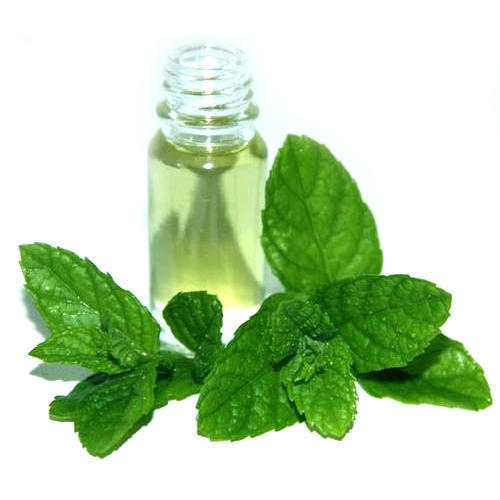
Menthyl Acetate
Menthyl Acetate is an important ester in the mint family, offering a smooth, sweet, and refreshing minty aroma. It is widely used in the flavor and fragrance industry for its cooling and soothing scent, often found in toothpastes, balms, perfumes, and personal care products. Menthyl Acetate plays a key role in masking unpleasant odors and enhancing the freshness of formulations. It also finds applications in aromatherapy and medicinal blends for its relaxing and mildly analgesic effects. Its natural origin and compatibility with other mint compounds make it an essential component in high-quality menthol-based products.
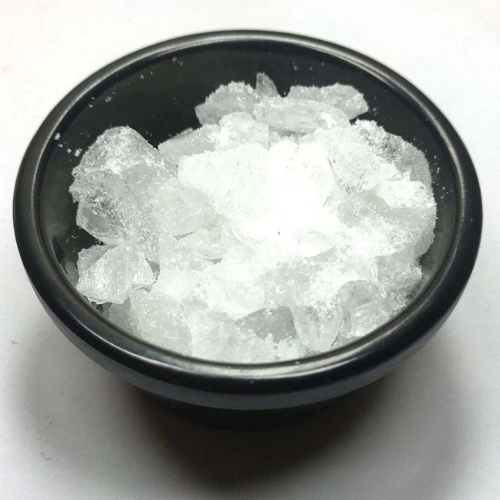
Thymol Crystals
Thymol Crystals are a naturally occurring compound derived from thyme oil, prized for their strong antiseptic and antibacterial properties. These transparent, aromatic crystals are widely used in oral hygiene products such as mouthwashes, throat sprays, and toothpastes. In addition, they are utilized in traditional medicine and natural remedies for treating respiratory and fungal infections. Thymol also serves as an effective preservative and flavoring agent in food and cosmetic products. With their clean, herbal scent and powerful therapeutic qualities, thymol crystals are a trusted ingredient in both pharmaceutical and personal care formulations.
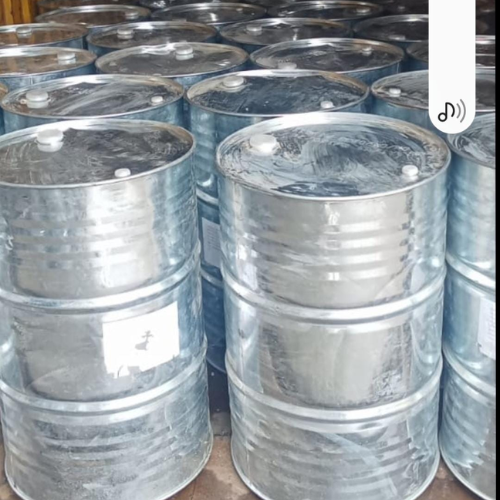
Mint Fractions
Mint Fractions are specialized distillates derived from natural mint oil through controlled fractionation. These fractions isolate specific compounds like menthone, menthol, or menthyl acetate, allowing for precise formulation in flavors and fragrances. They are especially useful in customizing scent profiles or taste experiences for toothpastes, mouthwashes, confectionery, and pharmaceuticals. Mint fractions offer enhanced flexibility in blending while maintaining the characteristic cooling sensation of mint. Due to their purity and consistency, they are widely used by manufacturers looking for standardization without compromising natural origin or freshness.
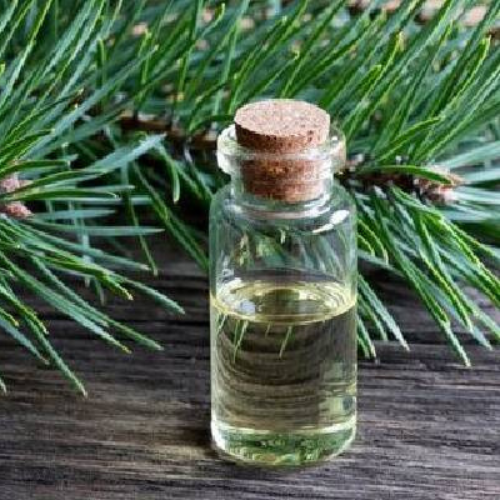
Terpineol
Terpineol is a naturally occurring alcohol found in many essential oils including pine and lavender. It has a sweet, lilac-like aroma and is widely used in the manufacture of soaps, detergents, and perfumes. Terpineol possesses mild antibacterial and antifungal properties and is often included in topical antiseptics and cleaning solutions. Its pleasant fragrance and solvent compatibility make it suitable for air fresheners, disinfectants, and aroma-based formulations. Terpineol is a key component in many cosmetic and industrial fragrance blends, valued for both its scent and functionality.
Dipentene
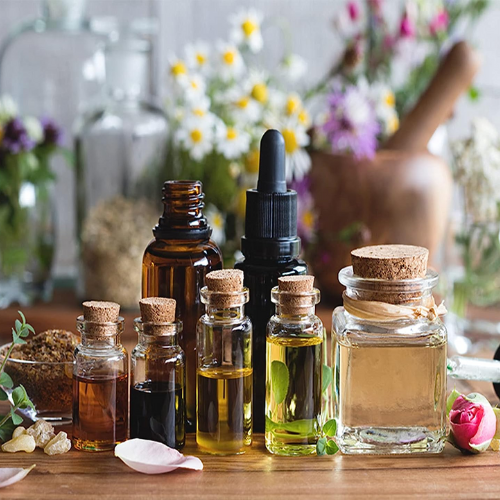
Dipentene is a terpene hydrocarbon found in citrus oils, primarily used as a solvent, fragrance ingredient, and industrial cleaner. With a citrusy aroma and solvent-like properties, it is commonly incorporated into cleaners, degreasers, and varnishes. In the fragrance industry, dipentene adds a fresh, zesty note to formulations. It is also used in paints, resins, and adhesives. Its natural origin, low toxicity, and environmental friendliness make it a preferred choice for green chemistry and eco-conscious manufacturing processes.
DHM Tops
DHM Tops are high-boiling fractions obtained from distilled mint oil, rich in heavier aromatic compounds. These fractions are used in flavor and fragrance applications requiring lasting minty notes and better fixative properties. They are also applied in mouth fresheners, chewing gums, and some pharmaceutical flavoring where a deeper mint aroma is desired. DHM Tops are known for their cost-effectiveness and ability to enhance overall blend retention. Their unique profile supports the development of customized aromatic solutions for various consumer products.
Pine Substitute Oil
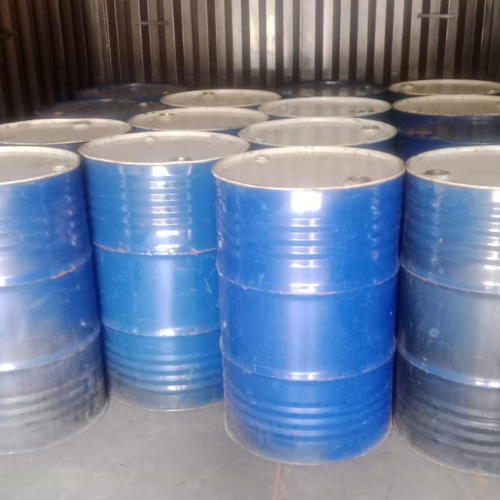
Pine Substitute Oil is a synthetic or blended essential oil designed to replicate the scent and effects of natural pine oil at a more economical price point. It is commonly used in household cleaners, air fresheners, and industrial disinfectants for its crisp, forest-like aroma. Pine Substitute Oil delivers similar cleansing and deodorizing properties and is often used where cost control and consistency are important. It is compatible with various surfactants and emulsifiers, making it a practical choice for large-scale production in hygiene and cleaning formulations.
Pine Oil Commercial
| Product | Specification |
|---|---|
| Pine Oil Commercial 42% | Minimum 42% Alcohol By Dehydration |
| Pine Oil Commercial 32% | Minimum 32% Alcohol By Dehydration |
| Pine Oil Commercial 22% | Minimum 22% Alcohol By Dehydration |
| Pine Oil Commercial 12% | Minimum 12% Alcohol By Dehydration |
| Pine Oil Commercial 0% | Minimum 2% Alcohol By Dehydration |
| Parameter | Description |
|---|---|
| Appearance | Colourless to Light Pale Yellow Liquid |
| Odour | Pleasant, Piny Smell |
| CAS No. | 8000-267-8 |
| FEMA No. | 2904 |
| EINECS | 290-163-6 |
| Flash Point | 45°C |
| Critical Component | As per Standard |
| Antioxidant | Nil |
D-Limonene
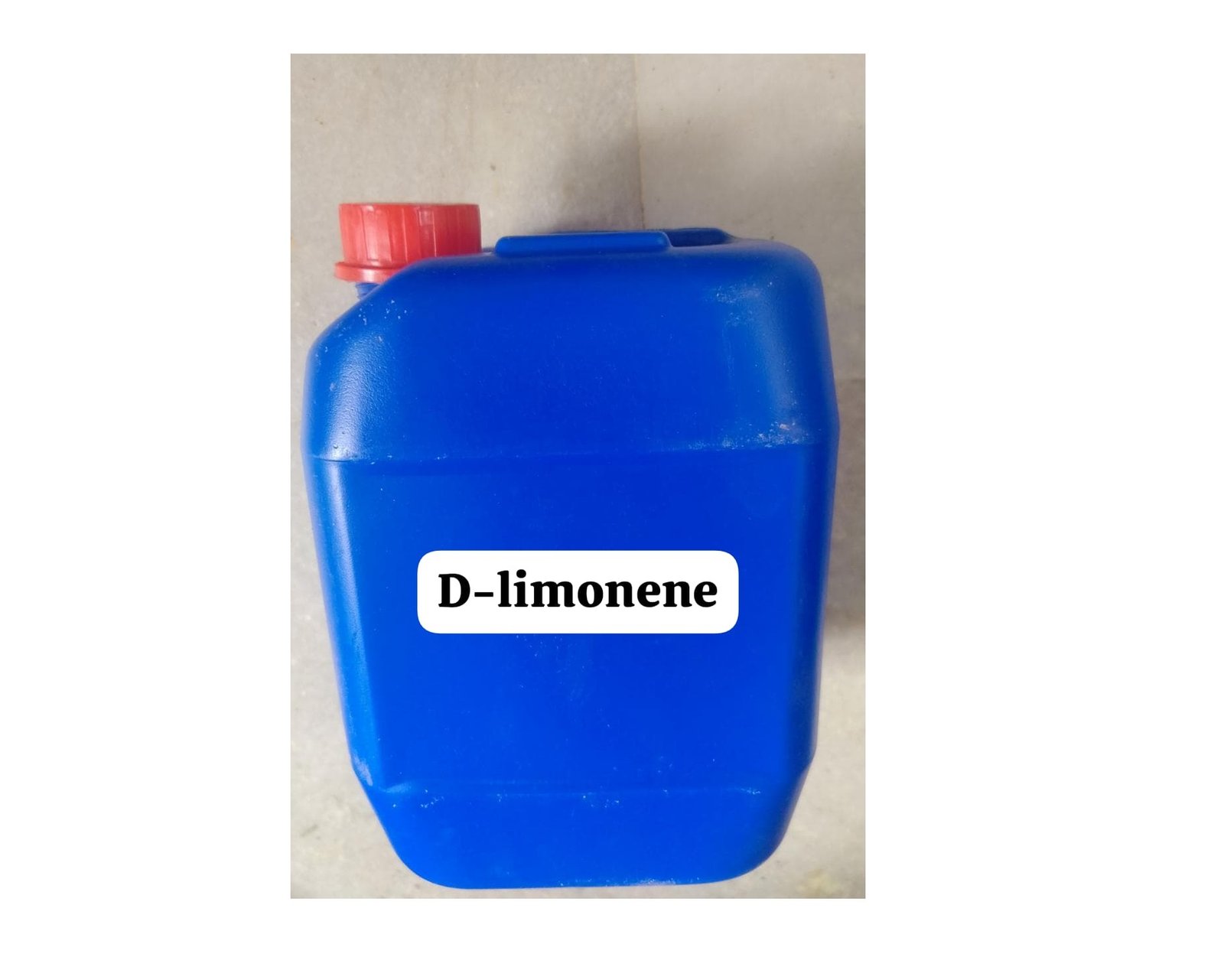
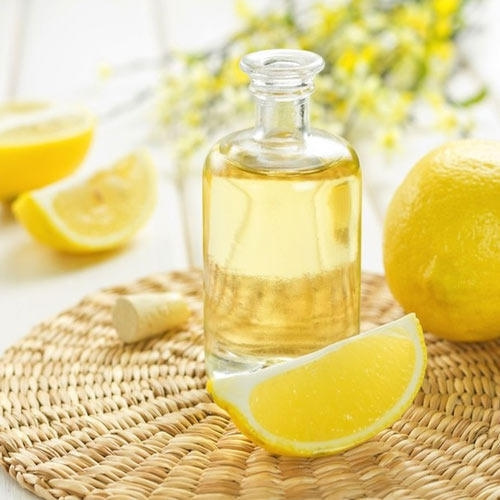
D-Limonene is a naturally occurring hydrocarbon found in citrus peels, known for its strong orange-like aroma and excellent solvent properties. It is widely used in household cleaners, degreasers, cosmetics, and perfumes. Due to its low toxicity and biodegradability, D-Limonene is a preferred alternative to harsh chemical solvents. In aromatherapy, it provides uplifting and mood-boosting effects. It is also utilized as a carrier and fragrance enhancer in both personal care and industrial applications.
L-Limonene
L-Limonene is the stereoisomer of D-Limonene, possessing similar citrus aroma and solvent qualities but with slightly different chemical properties. It is used in fragrances, flavorings, and cleaning products, valued for its natural origin and refreshing scent. L-Limonene acts as an effective degreaser and is often used in green chemistry applications. It also finds use in pharmaceuticals and aromatherapy, contributing to relaxation and mental clarity.
Alpha Pinene
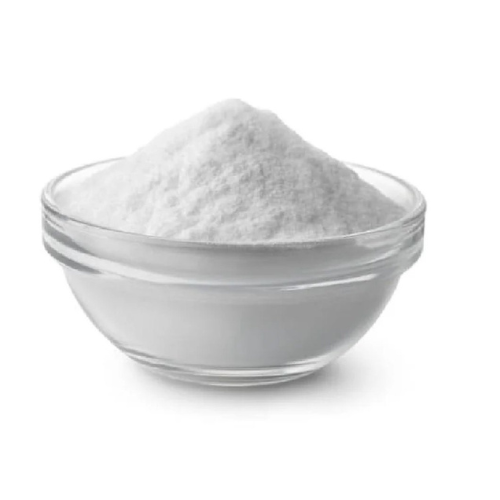
Alpha Pinene is a naturally occurring terpene found in pine resin and other conifers. It has a fresh, woody, pine-like aroma and is widely used in fragrances, cleaning products, and pharmaceuticals. Known for its anti-inflammatory and bronchodilator properties, alpha pinene is often included in herbal remedies and aromatherapy blends. It also serves as a building block for synthetic chemistry in flavor and fragrance industries, offering versatility and natural freshness.
Camphor Powder
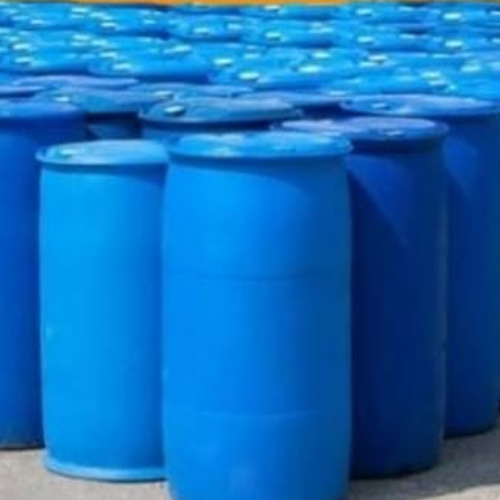
Camphor Powder is derived from the camphor tree and used traditionally in medicinal, religious, and aromatic applications. It has a strong, penetrating aroma with cooling and analgesic properties. Camphor powder is often incorporated into topical ointments, balms, and inhalants for respiratory relief and muscle relaxation. It is also used in pest repellents and disinfectants. Its natural origin and therapeutic benefits make it a staple in traditional medicine and modern natural health products.
Pine Tar Oil
Pine Tar Oil is a viscous oil obtained by the destructive distillation of pine wood. It is traditionally used for its antiseptic, anti-inflammatory, and skin-soothing properties. Pine Tar Oil finds applications in dermatological products like ointments and soaps, especially for treating skin conditions such as eczema and psoriasis. Additionally, it is employed in wood preservation, leather treatment, and as a flavoring agent in some tobacco products. Its distinctive smoky aroma and therapeutic qualities make it unique among essential oils.
Donate us to achive our goal
that they cannot foresee.